
Few things are more disruptive to a home or business than unexpected water damage. It doesn’t matter if the cause is a burst pipe hidden behind a wall, heavy rains that overwhelm drainage, or a sudden sewage backup—once water begins seeping into floors, walls, and furnishings, the damage sets in quickly. Beyond the obvious puddles and damp carpets, water intrusion leads to structural weakening, mold growth, and lingering odors that only grow worse with time. That’s why the first step in protecting property is immediate action through professional extraction and restoration services. Trained technicians bring not only expertise but specialized equipment designed to remove moisture efficiently, preventing further deterioration before it spreads deeper into the structure.
When handled properly, this type of restoration doesn’t just address the mess that can be seen on the surface. It targets the hidden moisture that seeps beneath baseboards, saturates drywall, and infiltrates subflooring. These areas are the breeding grounds for mold and bacteria if they’re left untreated. Quick intervention means the difference between simple drying and cleaning versus extensive repairs down the road. Acting fast helps preserve both the building’s integrity and the health of those who live or work inside.
Comprehensive Extraction And Dry Out
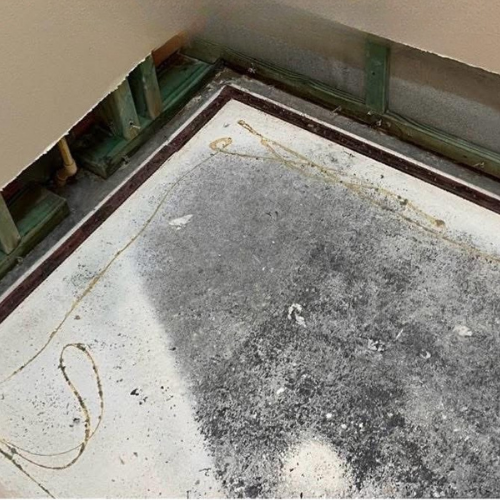
The most critical stage of restoration begins with meticulous extraction. High-powered pumps and specialized vacuums are used to remove standing water from flooring, carpet, and furniture. Once the visible liquid is eliminated, the process shifts to addressing the moisture that has been absorbed into the structure. Drying and dehumidification equipment are brought in to circulate air, reduce humidity levels, and pull out hidden moisture trapped in walls, ceilings, and flooring. This step is far more intensive than opening a few windows or setting up household fans; it requires industrial-grade technology and precise monitoring.
Dry-out procedures are especially vital after severe flooding or storm damage. Without them, damp materials remain vulnerable to swelling, warping, and rot. Even modern flooring such as tile, hardwood, or luxury vinyl planks can suffer if water seeps underneath. Professional drying ensures that these surfaces not only look restored but maintain their long-term durability. It’s a process that demands both patience and precision, with technicians continually adjusting equipment until moisture readings confirm that the property is completely dry.
Quick Tip:
After any water damage, don’t just rely on what looks dry — hidden moisture can linger behind walls and under floors for days. Always use professional-grade dehumidifiers and moisture meters to confirm the area is fully dry before beginning repairs.
Cleanup And Restoration Techniques
Once extraction and drying are underway, the focus expands to water damage cleanup and structural restoration. This stage goes beyond removing water; it’s about restoring the property to a clean, livable condition. Contaminated fluids, particularly from sewage backups or flooding, carries harmful bacteria that must be neutralized through thorough sanitization. Disinfectants and antimicrobial treatments are applied to carpets, furniture, and walls, reducing the risk of future problems.
Damaged building materials, such as soaked drywall or warped wood, may need partial repair or replacement. Skilled restoration teams are trained to assess which components can be salvaged and which must be rebuilt. Flooring affected by long-term moisture exposure, whether it’s hardwood or luxury vinyl planks, is carefully evaluated for integrity before being reinstalled or replaced. The process often includes deodorization to remove persistent odors, ensuring that the space doesn’t just look restored but feels fresh again. By combining drying, cleaning, repair, and deodorization, the service is comprehensive—addressing both the visible and hidden impacts of water intrusion.
Navigating Insurance And Long-Term Recovery
The final stage of restoration often involves something homeowners dread almost as much as the damage itself—insurance claims. Water-related emergencies frequently lead to significant expenses, and navigating the claims process without guidance can be overwhelming. Professional restoration providers understand the paperwork, documentation, and communication required to work with insurance companies. By coordinating with adjusters, they help property owners reduce out-of-pocket costs and avoid delays in receiving compensation.
In addition to insurance navigation, experienced teams offer long-term insight into preventing future problems. Recommendations may include adjustments to drainage systems, plumbing inspections, or even changes to flooring choices. For instance, many property owners are opting for durable flooring solutions such as luxury vinyl planks, which stand up better to moisture compared to traditional wood or carpet. By blending immediate restoration with practical guidance for the future, the process not only fixes current damage but helps prevent similar headaches down the road.
Water intrusion doesn’t give warning, and its effects can escalate quickly if left unaddressed. That’s why the restoration project is more than just cleanup—it’s a complete process of extraction, drying, sanitization, repair, and recovery. From tackling the first signs of flooding to working directly with insurance companies, every step is designed to restore both property and peace of mind. If you’re facing the stress of water damage and need expert help, don't hesitate to
contact us today to learn more or schedule immediate service. Our team is available around the clock to provide answers, guidance, and fast action when you need it most.


Frequently Asked Questions About Water Damage Restoration
Q1. How fast should I respond when water damage occurs, and why does immediate action make such a difference in the long run?
A1. Acting quickly after water damage is critical because moisture penetrates floors, walls, and furnishings within minutes, causing progressive damage. The longer water sits, the greater the risk of structural weakening, odor development, and mold growth. By contacting trained professionals right away, extraction and drying can begin immediately, cutting down on costly repairs and safeguarding the long-term stability, comfort, and cleanliness of your property.
Q2. What does the complete water restoration process typically involve from start to finish, and how thorough is the cleanup procedure?
A2. The process begins with powerful water extraction using specialized pumps and vacuums designed for rapid removal of excess moisture. Once standing water is gone, industrial-grade dehumidifiers and high-powered air movers target hidden dampness in walls, flooring, and ceilings. Surfaces are then disinfected and deodorized to eliminate contaminants, with restoration or replacement performed on damaged building materials. This step-by-step approach ensures your property is not only dried and cleaned but fully returned to a healthy, safe, and functional condition.
Q3. How do professionals determine what can be salvaged after water damage, and what factors decide whether items or materials need replacing?
A3. Our specialists carefully evaluate every affected area, checking moisture levels, structural soundness, and contamination risks before making repair decisions. Some materials like drywall or insulation often require replacement due to how quickly they absorb water, while surfaces like tile or concrete may be salvaged with thorough drying and sanitization. Furniture, carpets, and even flooring such as hardwood or vinyl can sometimes be saved if addressed promptly. This careful assessment protects both your property and your budget by restoring as much as possible while removing what cannot be recovered.